

Discover the Power of Proven Graphic Design Cover Letter Examples
Table of Contents
In the competitive world of visual arts, your portfolio gets you noticed, but your cover letter gets you hired. Many talented designers struggle to translate their visual skills into words. This is why having access to high-quality graphic design cover letter examples is essential. It helps you understand the structure, tone, and content that hiring managers are looking for.
A well-crafted letter tells the story behind your portfolio pieces. It explains your design process, your problem-solving abilities, and your passion for the specific role.
Whether you are a freelancer or seeking a corporate role, reviewing a graphic designer cover letter sample can provide the inspiration you need to get started. If you are looking for a comprehensive breakdown of the entire writing process, check out our pillar guide on the graphic design cover letter.
You simply need to customize these templates to reflect your unique voice and experience. Below, we will explore various styles and formats to help you create a standout application. From creative agencies to corporate in-house roles, we have an example cover letter for graphic designer needs of all kinds.
The Standard Professional Template
This is a versatile graphic design cover letter template that works for 80% of job applications. It strikes a balance between professional respect and creative confidence. It is perfect for mid-level roles or companies where you are unsure of the specific culture.
When using this template, ensure you replace the bracketed information with your specific details. Do not just copy and paste; make it yours.
Here is a breakdown of why this standard structure works so effectively for designers:
- Clear Contact Info 📌 Start with a clean header that matches your resume. Include your portfolio link prominently. If they can’t find your work, they won’t read your words.
- Direct Opening 📌 State exactly what position you are applying for and where you found it. Mention a specific detail about the company that you admire to show you did your research.
- The “Hook” Paragraph 📌 This is where you highlight your biggest win. Mention a project that achieved measurable results. Did your redesign increase clicks? Did your branding package win an award?
- Skill Alignment 📌 Match your skills to their requirements. If they ask for Adobe Creative Suite and UI design, explicitly state your proficiency in these areas within the context of past work.
- Cultural Fit 📌 Explain why you want to work there specifically. Is it their innovative approach? Their commitment to sustainability? Their bold visual style?
- Strong Call to Action 📌 Don’t just fade away. Invite them to view your portfolio and suggest a meeting. “I would love to discuss how my design background can help [Company Name] achieve its goals.”
Using this standard format ensures you hit all the necessary points without rambling. It respects the hiring manager’s time while showcasing your value.
The Creative Agency Narrative
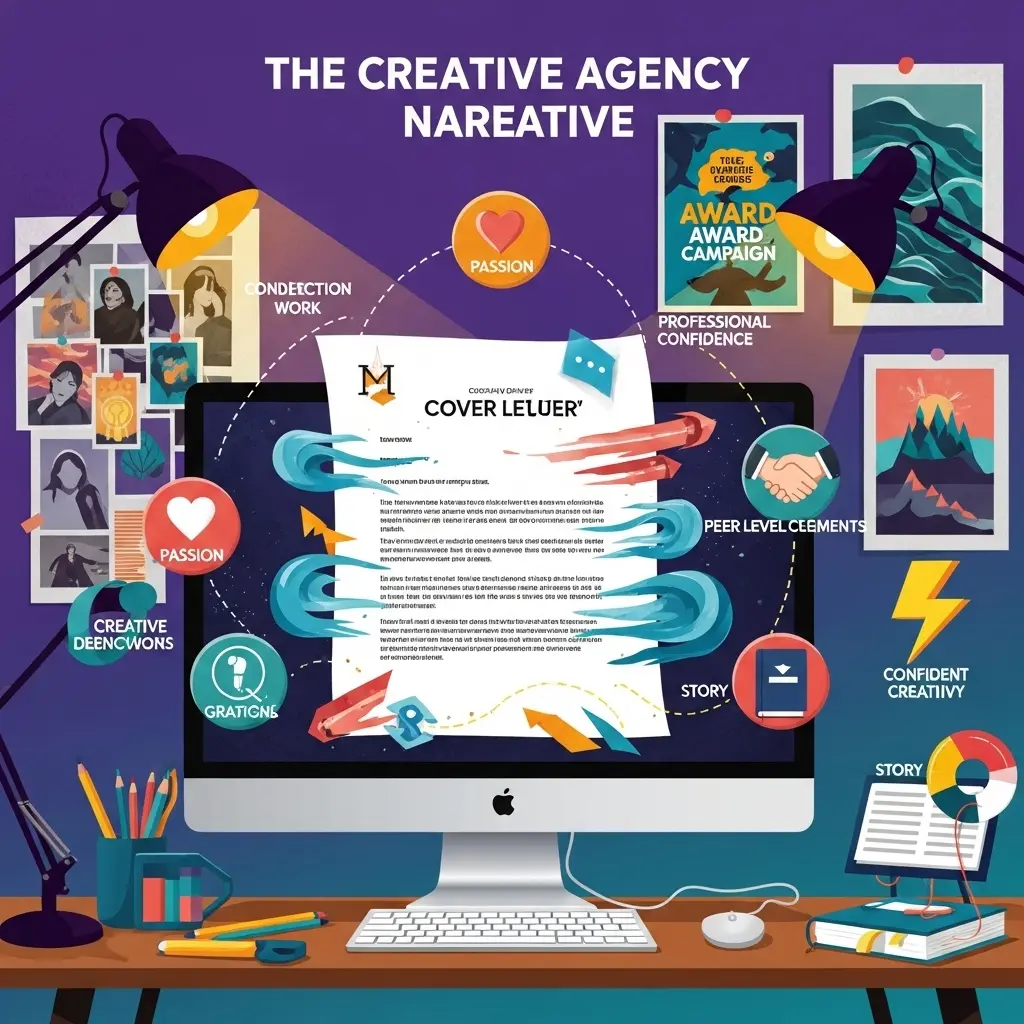
Applying to a hip creative agency is different from applying to a bank. You need a creative graphic designer cover letter that shows personality. Agencies are looking for a voice, a perspective, and someone who thinks outside the box. This example focuses on storytelling and passion.
Subject: Designing the Future with [Agency Name] – [Your Name]
“Dear [Creative Director Name],
I’ve been following [Agency Name]’s work since the award-winning ‘Ocean Blue’ campaign last year. The way you utilized typography to mimic the movement of waves wasn’t just clever; it was the kind of visual storytelling that inspired me to rethink my own approach to motion graphics. I am writing to you today not just as a fan, but as a Senior Graphic Designer who is ready to bring that same level of innovative thinking to your team.
Over the past five years, I have honed my skills in…”
Why this works:
- Immediate Connection 📌 It references specific work done by the agency. This proves you are a genuine follower and understand their aesthetic standard.
- Passionate Tone 📌 The language is emotive (“inspired me,” “rethink my approach”). It shows you care deeply about the craft of design.
- Professional Transition 📌 It quickly pivots from fan-girl/fan-boy to professional peer. It establishes that you are on their level and ready to contribute.
- Storytelling Elements 📌 Instead of a dry list of skills, it weaves your experience into a narrative about your growth and design philosophy.
- Confidence 📌 Agencies like bold candidates. This opening is confident without being arrogant. It asserts your value immediately.
This style of graphic design cover letter examples is risky for corporate jobs but highly effective for boutique studios and branding agencies.
The Data-Driven Specialist
Sometimes, the hiring manager is not a designer. They might be a marketing director or a business owner. They care about ROI, conversion rates, and sales. In this case, your graphic designer cover letter sample needs to speak the language of business.
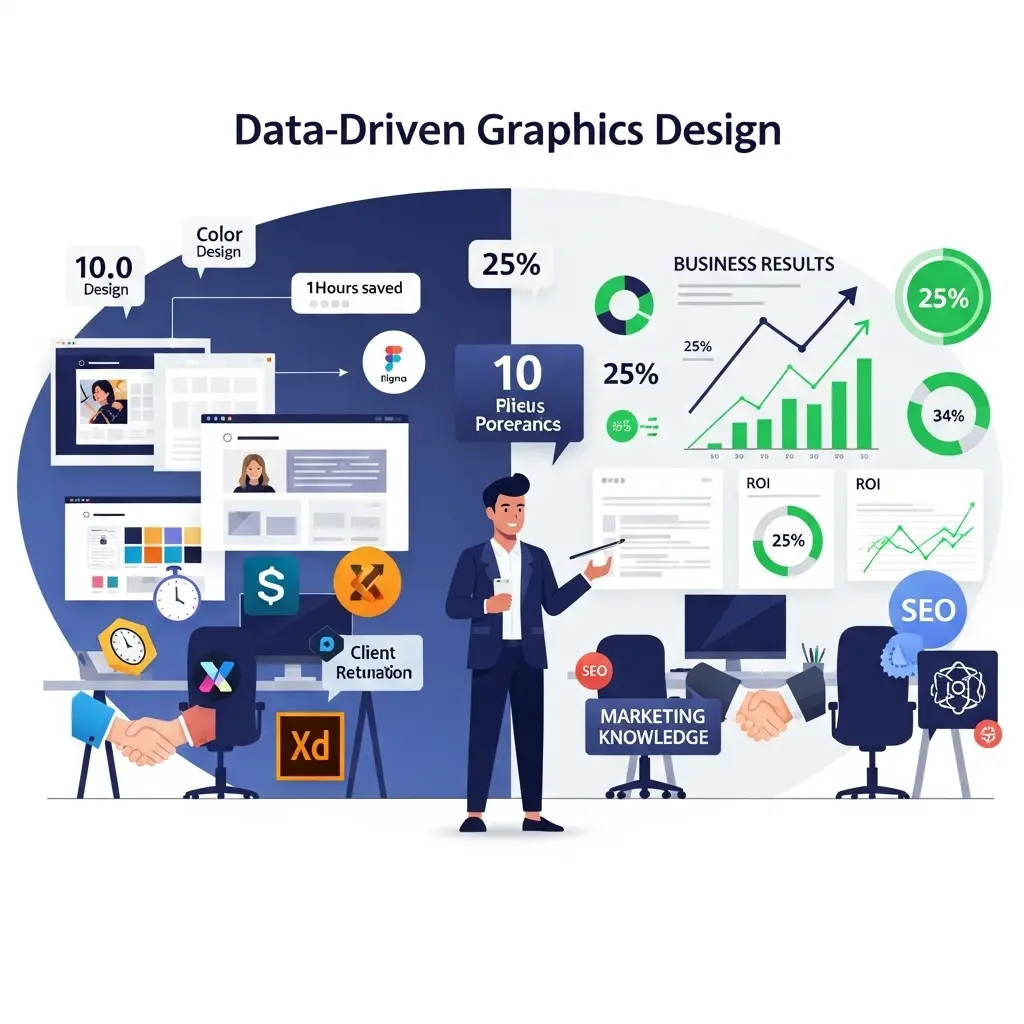
- Focus on Numbers Don’t just say you designed a landing page. Say you designed a landing page that increased conversion by 25%. Metrics validate your artistic choices.
- Problem-Solution Format Frame your experience as a series of business problems you solved through design. “The client needed to reach a younger demographic, so I refreshed the color palette…”
- Efficiency and Tools Mention how you improved workflows. Did you create master templates that saved the team 10 hours a week? Efficiency is a highly sellable skill.
- Mention Software Proficiency Be specific about tools like Figma, Sketch, or Adobe XD, especially if the job is technical. This reassures them you can hit the ground running.
- Client Retention Mention if your designs helped retain clients or secure long-term contracts. This shows you understand the long-term value of design.
- Marketing Knowledge If you understand SEO, social media algorithms, or print production costs, mention it. It shows you see the bigger picture beyond the screen.
- Avoid Jargon Keep design terminology simple. Explain why a choice matters to the business, not just the aesthetic theory behind it.
By adopting a data-driven approach, you position yourself as an investment rather than an expense. This is a powerful strategy for in-house roles at non-creative companies.
Detailed Analysis of Successful Examples
To truly benefit from graphic design cover letter examples, we must dissect what makes them work line by line. Let’s look at the anatomy of a successful paragraph.
Example Paragraph: “In my previous role at TechFlow, I led the visual rebranding initiative. I collaborated closely with the marketing team to develop a new cohesive identity across web, social, and print. This effort resulted in a 40% increase in brand engagement within three months.”
Let’s break down the elements that make this paragraph effective in any example cover letter for graphic designer applications.
Key Takeaway: Notice the structure. Action (Led rebranding) + Collaboration (Worked with marketing) + Result (40% increase). This is the golden formula for cover letter body paragraphs. It provides evidence of leadership, teamwork, and effectiveness all in three sentences.
How to Customize Templates Safely
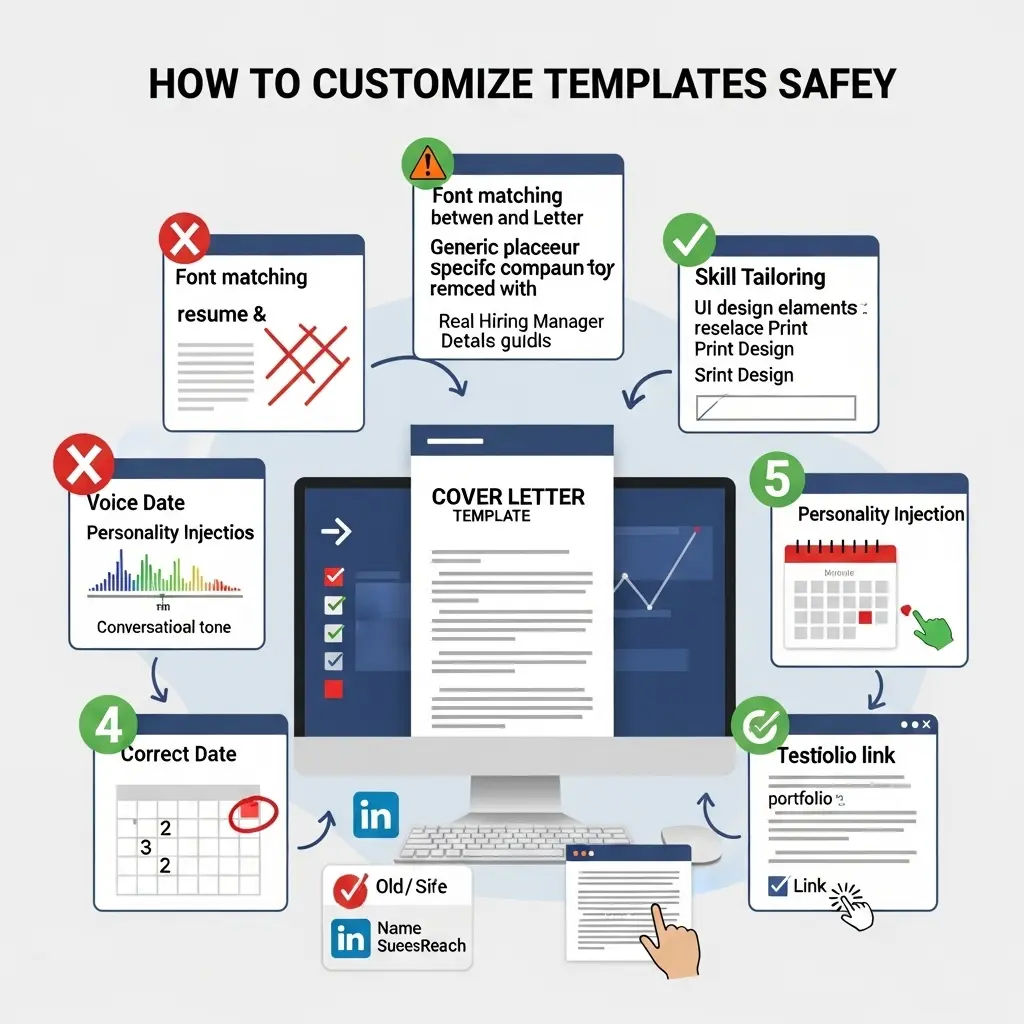
Using a graphic design cover letter template is a great starting point, but it comes with risks. If you forget to remove placeholder text or if it sounds too generic, your application will be rejected immediately. Here is a checklist to ensure your customization is flawless.
- Check Formatting👈 Ensure the font you use in the letter matches the font in your resume. Consistency is the first test of a designer.
- Replace Generic Terms👈 Don’t use “your company.” Always use the actual company name. Don’t use “hiring manager” if you can find a real name on LinkedIn.
- Tailor the Skills👈 If the template mentions “print design” but the job is for a “UI Designer,” delete the print reference. Irrelevant info clutters the message.
- Inject Your Voice👈 Read the letter out loud. Does it sound like you? If it sounds like a robot, rewrite the intro and outro to be more conversational.
- Verify the Date👈 A common mistake when reusing templates is leaving an old date at the top. This screams “lack of attention to detail.”
- Link Checking👈 Ensure the link to your portfolio is live and clickable in the PDF version of your letter. Test it before sending.
By following these steps, you transform a generic document into a personal pitch. A customized graphic designer cover letter sample is indistinguishable from one written from scratch, provided you put in the effort to tailor the details.
Visuals and Layout Matters
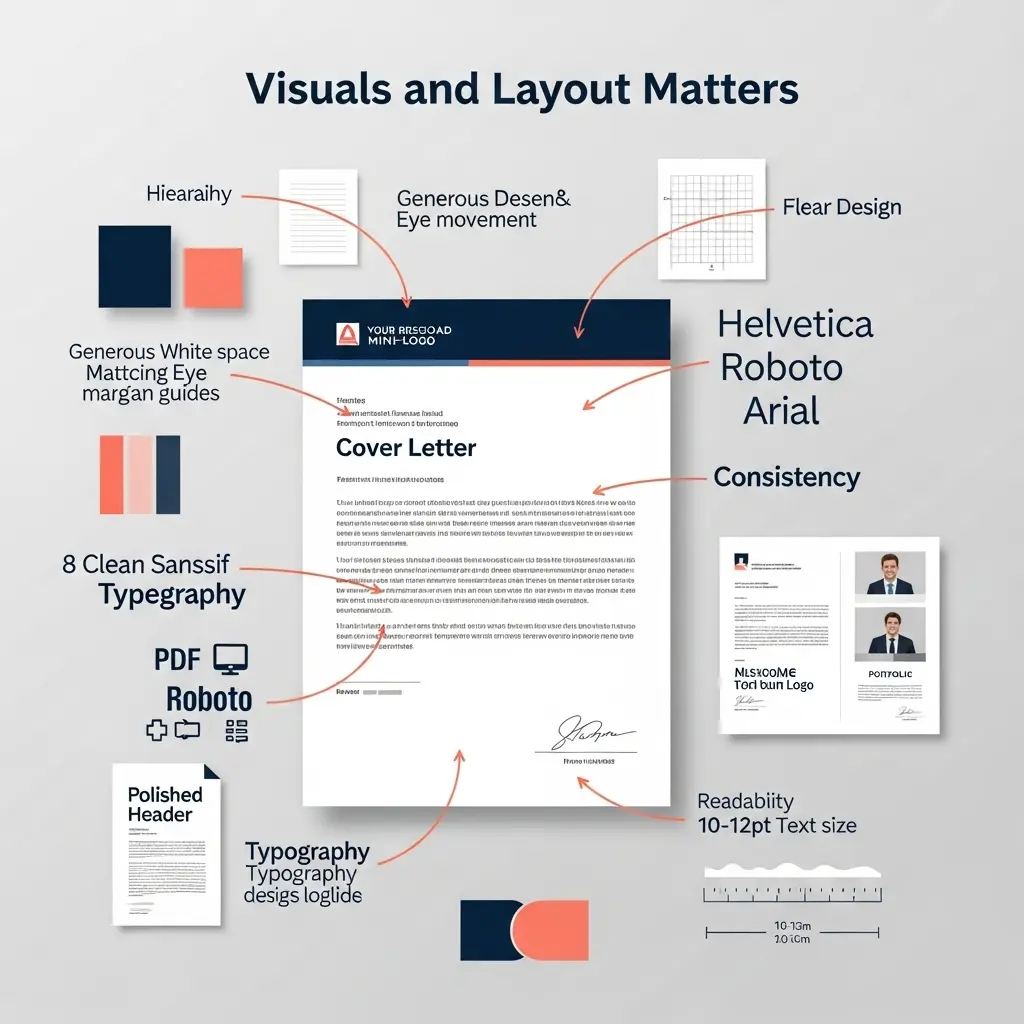
As a graphic designer, the visual presentation of your cover letter is just as important as the content. You are being judged on your layout skills before they even read the first sentence. The layout serves as a “pre-portfolio” demonstration of your capabilities.
- Hierarchy is King Use bolding for key achievements, but don’t overdo it. Ensure the header is distinct from the body text. The reader’s eye should flow naturally down the page.
- White Space Do not cram text into every corner. Generous margins and paragraph spacing make the document readable and elegant. It shows you understand composition.
- Color Accents Use a subtle pop of color in your header or for bullet points. Match this color to your personal brand or the company’s brand color for a nice touch.
- Font Choice Stick to clean, professional sans-serif fonts like Helvetica, Arial, or Roboto for digital reading. Avoid decorative fonts for body text; they are hard to read.
- File Format Always export as a PDF unless specifically asked for a Word doc. PDFs preserve your carefully designed layout on any device.
- Header Design Treat your contact info as a mini-logo. Design it well. It should look like a professional letterhead.
- Consistency Your cover letter, resume, and portfolio should all look like they came from the same “brand.” Use the same header, fonts, and colors across all three.
- Readability Ensure the text size is between 10pt and 12pt. Anything smaller is hard to read; anything larger looks childish.
Remember: Your cover letter is a design project. If the layout is messy, cluttered, or ugly, the hiring manager will assume your actual design work is the same. Treat the document itself as a portfolio piece that demonstrates your mastery of typography and layout.
Mistakes to Avoid with Examples
While graphic design cover letter examples are helpful, they can lead to bad habits if used incorrectly. The goal is inspiration, not plagiarism. Here are common pitfalls designers fall into when relying too heavily on samples.
First, avoiding the “Frankenstein” letter. This happens when you copy paragraphs from three different examples and paste them together. The tone usually shifts awkwardly between paragraphs, making you sound disjointed. Stick to one cohesive narrative flow.
Second, don’t be too abstract. Some creative graphic designer cover letter samples are very avant-garde. Unless you are 100% sure the company appreciates that style, it is safer to be clear and professional. Cleverness should never come at the expense of clarity.
Finally, never lie. If a template says “I have expert skills in After Effects” and you only know the basics, delete it. Honesty is critical. You will be tested on these skills if you get the interview, and getting caught in a lie is a career-killer.
Adapting for Senior vs Junior Roles
The content of your letter must evolve as your career does. An entry-level candidate cannot use the same script as a creative director. Understanding these nuances helps you choose the right graphic design cover letter template for your level.
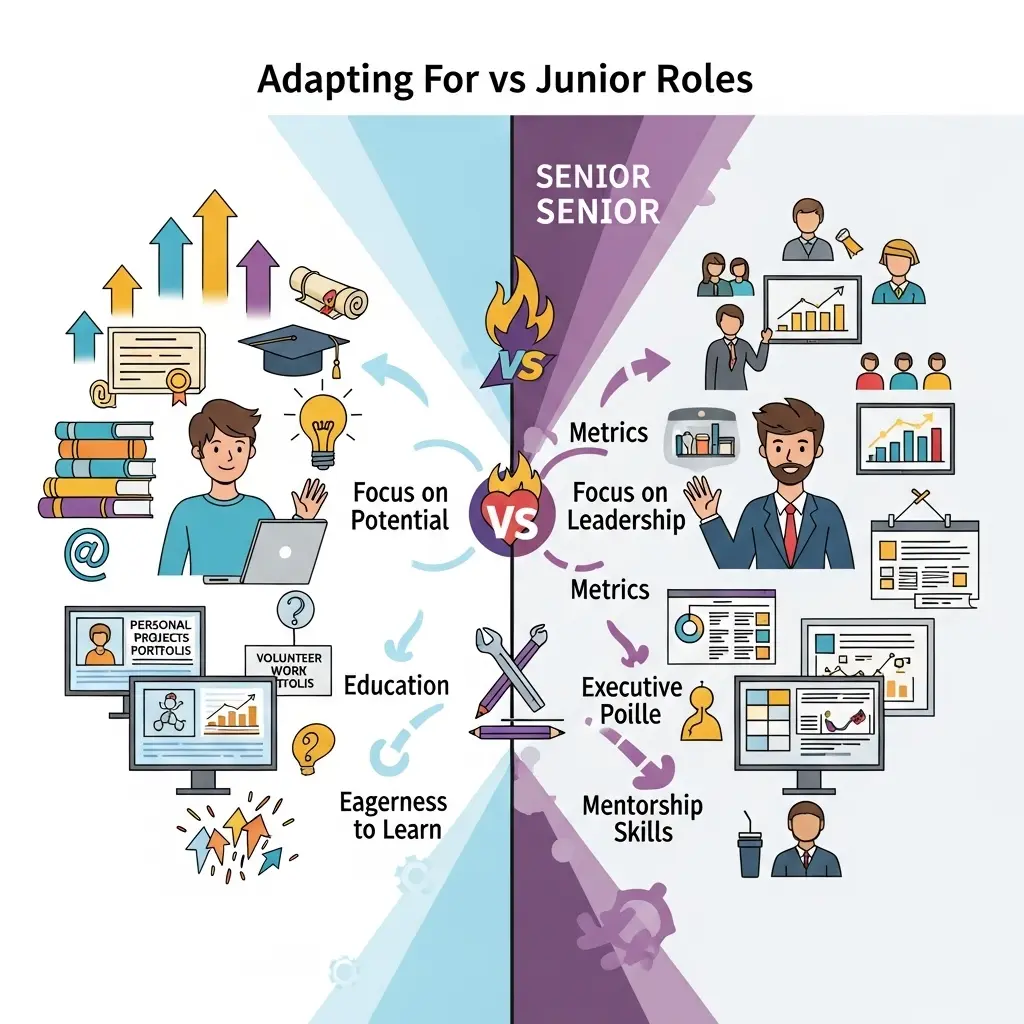
- Entry-Level: Focus on potential.
- Entry-Level: Highlight education.
- Entry-Level: Show eagerness to learn.
- Senior: Focus on leadership.
- Senior: Highlight metrics.
- Senior: Show mentorship skills.
- Both: Show passion for design.
Tip for Juniors: If you lack experience, focus on personal projects or volunteer work. Tip for Seniors: Focus on how you manage teams and budgets. The “Standard” template can be adapted for both by changing the “Hook” paragraph to reflect either potential (Junior) or proven success (Senior).
Regardless of your level, the core goal remains: prove you can solve their problems. A junior solves production problems; a senior solves strategic problems. Adjust your language accordingly.
Conclusion: In the end, the best graphic design cover letter examples are the ones that spark your own creativity. They serve as a foundation, a structure upon which you build your own professional story. Don’t be afraid to experiment with different openings or hooks until you find one that feels authentic.
Remember that your cover letter is a living document. It should change with every application and evolve with your career. By combining a strong visual layout with compelling, tailored copy, you create an application that is impossible to ignore. Use these templates as a launchpad, and go land that dream design job!


